Day HikeSpringdale
Pa'rus Trail
Easy riverside path perfect for all ages and abilities with stunning canyon views
(228)
January at Zion brings cool temperatures, thin crowds, and dramatic canyon light. The Narrows is open; upper trails may have ice. Permit-free and peaceful.
January is one of the quietest months to visit Zion National Park, and for the right traveler that is the entire point. The towering Navajo Sandstone walls glow warmer than ever against a pale winter sky, and the canyon floor belongs almost entirely to you. Crowds are minimal, permit systems are relaxed, and the drama of dormant cottonwoods and occasional snow dusting the rim creates a completely different visual palette than the peak-season crowds offer. Expect cold mornings that warm only modestly by afternoon, pockets of ice on shaded trails, and a slower, more contemplative pace throughout the park. January is an honest, rewarding month for visitors who come prepared.
January weather in Zion splits sharply between the canyon floor and the high-country rim. Down in the canyon, average highs reach around 52°F, but morning lows regularly drop to 29°F, meaning ice forms overnight on wet rock, puddles, and shaded trail surfaces and may not melt until midday. Precipitation totals about 1.5 inches for the month, with snowfall averaging 3.2 inches — most of that accumulates on the canyon walls and rim rather than the paved valley floor. You will get roughly 9.5 hours of daylight per day, so plan hikes to start at mid-morning when ice has had a chance to melt, and be off exposed terrain before late afternoon. Wind along the canyon can make temperatures feel significantly colder than the thermometer reads.
January earns a crowd rating of 3 out of 5 on the solitude scale — it is genuinely quiet, cold, and ideal for visitors seeking the park without the shoulder-season masses. The canyon shuttle does not run in January; it operates spring through fall only. In winter, private vehicles are permitted to drive the Zion Canyon Scenic Drive all the way to the Temple of Sinawava, which is a significant perk — you can park at each trailhead and linger without timing your visit around bus schedules. The Zion Canyon Visitor Center is open with reduced hours, so check the NPS website before you go. Weekends in January still see more traffic than weekdays, but even a busy winter weekend is quiet by any spring or summer standard.
Winter opens up the Zion Canyon Scenic Drive to personal vehicles, making it easy to stop at viewpoints at your own pace. Pa'rus Trail is the most accessible hike in January — it is paved, relatively flat, follows the Virgin River, and is typically clear of ice. Weeping Rock is a short but rewarding walk to a hanging garden that seeps year-round; note the final section can be slick. Canyon Overlook Trail rewards moderate effort with sweeping views of lower Zion Canyon. For photographers, Zion Photo Tours offers guided outings tailored to the low winter light and long golden hours. Stargazing is exceptional this month due to long, dark nights — Stargazing Zion runs tours even in the cold. The nearby Snow Canyon State Park is another excellent lower-elevation option when conditions in the main canyon feel severe.
Layering is essential for January in Zion. Start with a moisture-wicking base layer, add an insulating mid-layer such as a fleece or down jacket, and top it with a waterproof and windproof shell. Microspikes or traction devices are strongly recommended and should be considered mandatory if you plan to hike any shaded or north-facing trail — ice can persist all day in spots that the winter sun never reaches. Waterproof hiking boots with ankle support will keep your feet warm and stable. Bring trekking poles for balance on icy sections. Pack a warm hat, gloves, and a neck gaiter. Sunscreen and sunglasses are still necessary; winter sun bouncing off sandstone and snow is intense. Carry more water than you think you need — cold air is deceptively dehydrating.
Road access is a genuine winter advantage: Zion Canyon Scenic Drive is open to private vehicles all the way through, unlike the rest of the year. The Zion–Mount Carmel Highway remains open in January unless a significant snow event closes it temporarily. Trail conditions vary sharply by elevation and aspect. Emerald Pools Trail can be icy on shaded sections and the upper pools are often frozen solid — beautiful but slippery. Angels Landing presents serious hazard in January; the chains and exposed rock face can be coated in ice, and this hike should only be attempted by experienced hikers with microspikes and good judgment. Observation Point via the East Mesa route is a better high-viewpoint alternative in winter since it approaches from the top rather than climbing icy switchbacks. The Narrows is hikeable in January with a proper dry suit rental, but it is a cold, technical undertaking — consult Zion Outfitter for gear and current water levels before committing.
Average temperature and precipitation across the year — January highlighted.
Easy riverside path perfect for all ages and abilities with stunning canyon views
A scenic half-mile walk with sweeping views of Zion Canyon and the Virgin River.
A short, steep climb to a natural spring-fed alcove where water weeps through sandstone year-round

Towering red rock canyons, narrow slot passages, and legendary trails create Utah's most dramatic outdoor playground
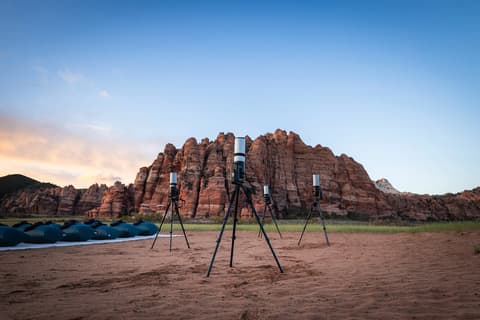
Guided telescope tours with professional astronomers on Zion's western boundary, where the sky quality rivals observatory sites.

Explore ancient lava tubes, petrified sand dunes, and vibrant red rock formations on scenic desert trails
Guided Zion photography tours timed to golden hour, shaped to your gear and skill, from beginner phones to pro DSLRs.
Riverside camping beneath towering red cliffs with sites for tents and RVs
Check the latest Zion National Park conditions, hourly outlook, and 16-day forecast before you go.
View Live Zion National Park Weather →