Day HikeSpringdale
Pa'rus Trail
Easy riverside path perfect for all ages and abilities with stunning canyon views
(228)
December at Zion is cold and calm — 51°F highs, possible snow on the rims, and the most solitude the canyon sees all year. Stunning and permit-free.
December transforms Zion National Park into one of the American Southwest's most underrated winter destinations. The crowds that pack the canyon from spring through fall have evaporated, leaving behind a park that feels intimate and almost entirely yours. Zion National Park wears a completely different character in winter — red canyon walls dusted with snow, frost-silvered cottonwoods along the Virgin River, and a silence broken only by the sound of water and wind. Average highs hover around 51°F while nights drop to a brisk 27°F, so you can hike comfortably in the afternoon sun before retreating to a warm lodge as the canyon falls into deep shadow. With roughly 3.5 inches of snowfall possible and 9.3 hours of daily sunlight, December rewards visitors willing to layer up and slow down.
December weather in Zion divides neatly between the sunny canyon floor and the exposed mesa tops. Down in Zion Canyon, daytime temperatures typically reach the low 50s°F and feel warmer in direct sun — sheltered by the towering sandstone walls, the canyon floor can be genuinely pleasant midday. Nights are cold, dropping to the upper 20s, so plan for hard freezes after dark. The mesa rim is a different story: wind, ice, and temperatures well below what the canyon floor sees. Precipitation averages 1.3 inches for the month, falling as both rain and snow. Snowfall averages 3.5 inches but can arrive in a single storm. Clear days are common and stunning — with 9.3 hours of sunlight, the low winter sun rakes across the cliff faces at dramatic angles that photographers chase for months. Check road conditions before heading to higher elevations; the Zion–Mount Carmel Highway may close briefly after significant snow.
December is the quietest month in Zion, making it one of the best-kept secrets among park regulars. Expect very few crowds on most trails and no wait times at the park entrance. The canyon shuttle does not operate in December — the park runs the shuttle system only from spring through fall — which means private vehicles are permitted on the Zion Canyon Scenic Drive all the way to the Temple of Sinawava. This is actually a significant perk: you can pull over wherever the light is perfect, linger at overlooks, and drive the road at your own pace without competing for a bus seat. Weekends see slightly more visitors than weekdays, but even a busy December weekend at Zion bears no comparison to the packed summer months. Aim for midday hikes when temperatures peak; mornings are cold but offer beautiful low-angle light, and afternoons in the canyon are often the warmest and most pleasant window of the day.
December's paved canyon road, quiet trails, and photogenic winter light make it ideal for a specific set of experiences. Drive the Zion Canyon Scenic Drive in your own vehicle and stop at every pullout — the freedom is unmatched in warmer months. Hike Pa'rus Trail, the paved, riverside path that hugs the Virgin River — it is accessible in almost any winter conditions and rewards walkers with close views of the canyon walls. Weeping Rock is a short, magical walk to a grotto where spring water seeps through the sandstone year-round, often freezing into delicate ice curtains in December. For photography, consider booking a session with Enlighten Photography Excursions, as the winter light and empty landscapes create exceptional shooting conditions. Clear December nights also make Zion one of the darker skies in the region — Stargazing Zion tours take advantage of the long winter nights and dry, transparent air.
The key to a comfortable December visit is layering. Start with a moisture-wicking base layer, add a fleece mid-layer, and bring a windproof, water-resistant outer shell — even on clear days, canyon shade drops temperatures fast. Insulated, waterproof hiking boots with good traction are essential; microspikes or Yaktrax slip-ons are worth carrying if you plan any trail above the canyon floor, where ice is common. Warm gloves, a hat, and a buff for your neck will see heavy use in the mornings and evenings. Pack trekking poles — they earn their weight on icy descents. Sunscreen and sunglasses remain necessary even in December; UV reflection off snow and the high desert intensity can surprise people. Carry more water than you think you need; cold air is deceptively dehydrating. A headlamp is a practical addition since December sunsets arrive early.
Most lower-canyon trails are hikeable in December with proper footwear, but conditions vary day to day after snow or rain. Emerald Pools Trail is popular and accessible but can develop icy patches on the upper section — use traction devices and check with the visitor center before heading up. Canyon Overlook Trail is short and spectacular, though the slickrock sections can be dangerously slick when wet or frozen; microspikes are recommended. Angels Landing is technically open in December, but the chains are often icy and the exposed ridge is genuinely hazardous in winter conditions — experienced winter hikers only, and only on clear days after ice has melted. The Narrows along the Virgin River are a true cold-weather undertaking requiring drysuits and specialized gear; most visitors skip this until warmer months. The Zion–Mount Carmel Highway tunnel and road to the east side generally remain open but may close temporarily after heavy snow. Always stop at the Zion Canyon Visitor Center for current trail and road conditions before setting out.
Average temperature and precipitation across the year — December highlighted.
Easy riverside path perfect for all ages and abilities with stunning canyon views
A short, steep climb to a natural spring-fed alcove where water weeps through sandstone year-round
A scenic half-mile walk with sweeping views of Zion Canyon and the Virgin River.
Scenic trail system ascending through three tiers of natural pools and seasonal waterfalls
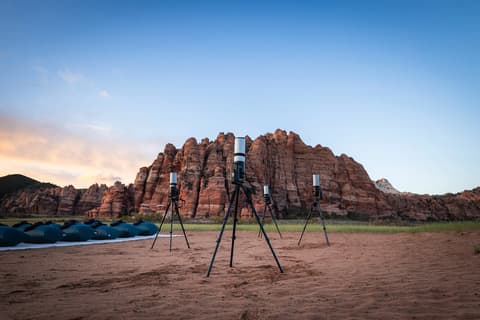
Guided telescope tours with professional astronomers on Zion's western boundary, where the sky quality rivals observatory sites.
Your essential first stop for park information, shuttle access, and trail planning
Riverside camping beneath towering red cliffs with sites for tents and RVs
Professional photography workshops capturing the Milky Way, slot canyons, and dramatic landscapes
Check the latest Zion National Park conditions, hourly outlook, and 16-day forecast before you go.
View Live Zion National Park Weather →