
Featured
Canyon HikeZion National Park
The Narrows
A breathtaking river hike through towering slot canyon walls
(720)
August monsoons turn the canyon dramatic and green — but afternoon lightning and flash floods close the Narrows without warning. Plan for flexibility.
August is one of the most intense months to visit Zion National Park. The canyon bakes under triple-digit heat, afternoon thunderstorms roll in almost daily, and the Virgin River runs swift and turbid with monsoon runoff. None of that stops the crowds — August is peak summer, and the park is at full capacity. What it means is that your choices matter more than in any other month. Beat the heat by starting hikes before 7 a.m., lean into water-based experiences, and keep a close eye on flash flood forecasts. Visitors who plan around the conditions rather than fight them find August genuinely spectacular: towering red walls, dramatic storm light, and waterfalls that only exist because of monsoon season.
August at Zion is hot and unpredictable. Average highs reach 97°F on the canyon floor, while overnight lows drop to around 66°F — warm enough that tent camping stays comfortable but not cool. You get roughly 13.7 hours of daylight, which sounds like a gift until you realize the middle eight of those hours are dangerously hot for strenuous hiking. Afternoon thunderstorms are the defining weather pattern: clear mornings give way to building cumulus clouds by noon, with lightning and heavy rain arriving between 2 and 5 p.m. on many days. Precipitation averages 1.3 inches for the month, but it falls in fast, localized bursts rather than steady rain. Snow is nonexistent at canyon elevation in August. The rim (Kolob Terrace Road, West Rim) sits 2,000–4,000 feet higher and runs noticeably cooler.
August draws some of the largest crowds of the year, earning a 2-out-of-5 comfort rating for those who dislike waiting. The Zion Canyon Shuttle runs on its full spring-through-fall schedule, and lines at the Springdale stops can stretch 30 minutes or more by mid-morning. Private vehicles are not permitted on Zion Canyon Scenic Drive during this period, so the shuttle is your only option into the main canyon. Arrive at the Visitor Center before 8 a.m. to skip the worst queues, or board in Springdale, where stops are less congested. Weekdays are meaningfully quieter than weekends. The Kolob Canyons section of the park, accessed from I-15 at exit 40, sees a fraction of the main canyon's traffic and offers a genuine escape. Backcountry permits for overnight trips sell out months in advance in August.
Water is your best friend in August. The Narrows — a bottom-up wading hike through the Virgin River gorge — keeps you cool and is genuinely stunning after monsoon rains fill side streams with waterfalls. Check flood forecasts before entering; the NPS closes it when upstream rain makes conditions dangerous. Zion Tubing and Float Zion Tubing offer a low-effort way to enjoy the river when hiking feels brutal. For higher-elevation relief, the Kolob Terrace area and the Northgate Peaks Trail run noticeably cooler than the canyon floor. Evenings are ideal for Stargazing Zion — monsoon-washed skies produce some of the clearest nights of the year after storms clear. Guided canyoneering with outfitters like Zion Adventure Company is popular in August; wet canyons are their specialty.
Sun protection is non-negotiable: SPF 50+ sunscreen, a wide-brim hat, and UV-rated sun sleeves will save you from a brutal burn on exposed canyon walls. Carry at least three liters of water per person for any hike longer than two hours and add electrolyte tabs — sweat loss at 97°F is dramatic. Lightweight, quick-dry clothing is far more comfortable than cotton. Water shoes or neoprene socks are essential if you plan to wade the Narrows or any slot canyon, where footing on slick river rock is treacherous. Pack a lightweight rain shell: afternoon storms arrive fast, and a soaked cotton layer at 6,000 feet elevation turns cold quickly. A weather app with lightning alerts (the NPS and Weather.gov both offer them) belongs on your phone. Headlamps are useful if you start pre-dawn to beat the heat.
Pa'rus Trail is the best option when the mercury climbs past 95°F — paved, mostly shaded by cottonwoods, and runnable in the heat of the day. Emerald Pools Trail offers waterfalls fed by monsoon runoff and partial shade, though the upper pool requires a steeper push. Angels Landing should be attempted only with a pre-dawn start; the exposed ridgeline becomes a heat trap and lightning target by mid-morning. Observation Point is similarly exposed and long — plan for a very early start or save it for a cooler month. The Canyon Overlook Trail is short and partially shaded by the tunnel walls, making it a solid midday option. The Zion–Mount Carmel Highway and all park roads are typically clear in August; watch for brief road closures after intense storms wash debris across the road near the east entrance.
Average temperature and precipitation across the year — August highlighted.
A breathtaking river hike through towering slot canyon walls
Easy riverside path perfect for all ages and abilities with stunning canyon views
Scenic trail system ascending through three tiers of natural pools and seasonal waterfalls

A flat, forested walk through Zion's high country to a volcanic-rock viewpoint between two sandstone peaks.

Relaxing river float adventures through scenic red rock canyons
Zion's original Narrows outfitter since 1996, head-to-toe gear and guided canyon trips a short walk from the park gate.
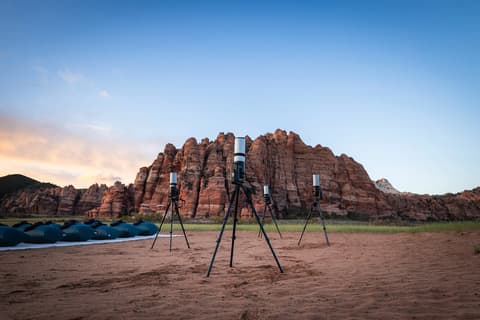
Guided telescope tours with professional astronomers on Zion's western boundary, where the sky quality rivals observatory sites.
Gateway shuttle hub connecting visitors to Zion's scenic canyon destinations
Check the latest Zion National Park conditions, hourly outlook, and 16-day forecast before you go.
View Live Zion National Park Weather →